Travel advisory update: October 21, 2026 | By Jenny Mancini, Vacation Design Travel
Recent demonstrations across several European countries are understandably raising questions for travelers with upcoming vacations. The key point: a protest in one city does not mean an entire country—or Europe as a whole—is unsafe. Decisions should be based on the specific places and dates on your itinerary, official guidance, and any confirmed transportation disruptions.
Why are people protesting across Europe?
Although these are separate movements with different local causes, recurring concerns include the cost of living, housing affordability, education funding, public services, and government policies. Protests have been reported in France, Italy, Spain, Portugal, Belgium, and Albania. Some have remained peaceful; others have involved clashes with police, vandalism, or property damage. Associated Press provides an overview.
Where could travel be affected?
France
France deserves particular attention following large demonstrations on October 17 and associated violence. Localized curfews, increased security, transit changes, and further protests are possible. Australia’s Smartraveller advisory, updated October 20, urges visitors to avoid demonstrations and follow local authorities. A nationwide strike is reported as planned for November 5; reconfirm arrangements close to departure.
Italy
Demonstrations and clashes have been reported in cities including Milan. Check local transportation and railway operators before intercity transfers and allow extra time around planned gatherings.
Spain and Portugal
Housing affordability and labor-related demonstrations have affected cities such as Madrid and Lisbon. Spain has a general strike planned for November 11, potentially affecting some services. The situation can vary considerably by neighborhood and date.
Belgium, Albania, and Greece
Belgium and Albania have also experienced demonstrations, with reports of violence in some locations. On October 21, students and teachers marched in Athens and other Greek cities over education and living costs. A demonstration in Athens does not automatically imply disruption to a Greek island holiday, but travelers should check local transfer arrangements.
Should you cancel your European vacation?
Not automatically. Before making a costly decision, consider how close your departure is, whether demonstrations are expected near your accommodation or sightseeing plans, whether your airport or rail transfers are affected, and whether official advice has changed. A trip months away calls for monitoring; an imminent trip with a major protest along a planned route may call for a change of timing or itinerary.
It is important to distinguish a travel inconvenience from a genuine safety concern. Blocked streets and canceled trains can be disruptive even when travelers are not directly exposed to violence. Conversely, a localized incident does not necessarily affect the rest of a destination.
What about travel insurance and refunds?
Do not assume that concern about unrest qualifies for a refund. Standard trip-cancellation policies generally require a specifically covered reason, and exclusions or conditions may apply to civil unrest. Cancel for Any Reason coverage, where purchased and applicable, has its own deadlines and reimbursement limits. Review the exact policy wording before canceling. If an airline cancels a flight, separate airline passenger-rights rules may apply.
Practical precautions for travelers
Avoid demonstrations and large gatherings, even if they appear peaceful.
Check official travel advisories and local news shortly before departure and each travel day.
Reconfirm trains, flights, transfers, and timed attraction tickets.
Allow extra time to reach airports and rail stations.
Follow local authorities’ instructions and keep your travel advisor’s contact information handy.
Europe is not experiencing one single, uniform crisis. Travel remains possible in many destinations, but informed planning matters. The smartest decision is neither to panic nor to ignore the news: assess the specific itinerary, review official updates, and make adjustments when conditions warrant.
At Vacation Design Travel, I believe meaningful travel should also be thoughtfully planned. With decades of travel industry experience and relationships with trusted partners, I help travelers navigate the details and make informed decisions when plans need to change. Schedule your complimentary discovery call to discuss your next culturally immersive adventure.
Editor’s note: This article reflects reporting available October 21, 2026. Protest schedules and travel conditions can change quickly. It is general travel guidance, not a guarantee of safety or insurance coverage.
Ancient wonders. Island life. Incredible food. And a way of living that invites you to slow down and savor it all.
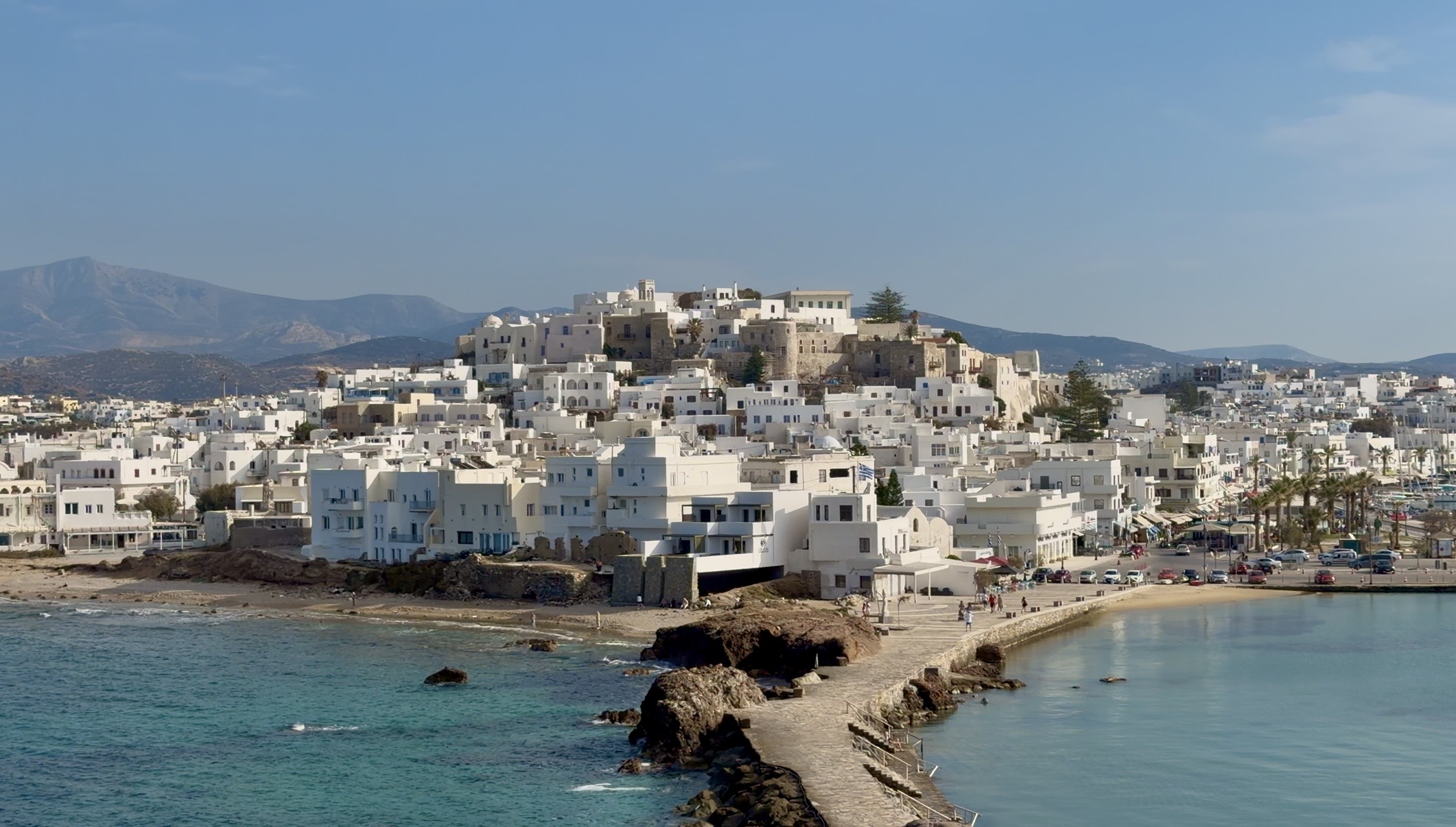
Naxos, Greece
Dreaming of whitewashed villages, sparkling Aegean waters, ancient ruins, and unforgettable Mediterranean experiences? This Greece travel guide will introduce you to the best places to visit in Greece, from Athens and the iconic Greek islands to charming mainland destinations, extraordinary food, and authentic cultural experiences.
There are places you visit. And then there are places you feel. Greece is most definitely the latter.
Of course, you’ve seen the photographs: whitewashed villages spilling down cliffsides, brilliant blue domes, ancient ruins glowing beneath the Mediterranean sun and water in shades of blue that hardly look real.
It’s lingering over dinner long after the plates have been cleared. It’s wandering down a narrow stone lane with absolutely no idea where it leads. It’s hearing church bells drift across an island village. It’s tasting olive oil produced from trees growing just down the road.
And it’s standing somewhere humans stood thousands of years before you and realizing that your little moment in history is exactly that—a moment.
Greece invites you to slow down.
To look around.
To stay awhile.
And that’s exactly how I believe we should travel.
WHY GREECE?
Greece manages to be several destinations wrapped into one.
You can spend a morning exploring one of the world’s greatest archaeological sites and your afternoon at a seaside taverna.
You can lose yourself in the energy of Athens, retreat to a tiny island village, hike through dramatic landscapes, sail the Aegean or simply sit beside the water with a glass of wine.
History is everywhere, but Greece doesn’t feel trapped in its past.
Its ancient heritage lives alongside contemporary Greek culture, deeply rooted traditions, family life, food and that wonderfully relaxed Mediterranean rhythm.
And then there are the islands.
Greece has thousands of islands and islets scattered across the Aegean and Ionian Seas, with more than 200 inhabited islands—and no two are quite alike.
That’s important when planning a Greek vacation.
There isn’t one “best Greek island.”
There’s a Greek island that’s best for you.
EXPLORE
ATHENS
Where Ancient Greece Meets the Modern World
Don’t make the mistake of treating Athens as simply the airport you fly into before heading to the islands.
Give it time.
This is one of the world’s great historic cities, but Athens is also energetic, creative and very much alive.
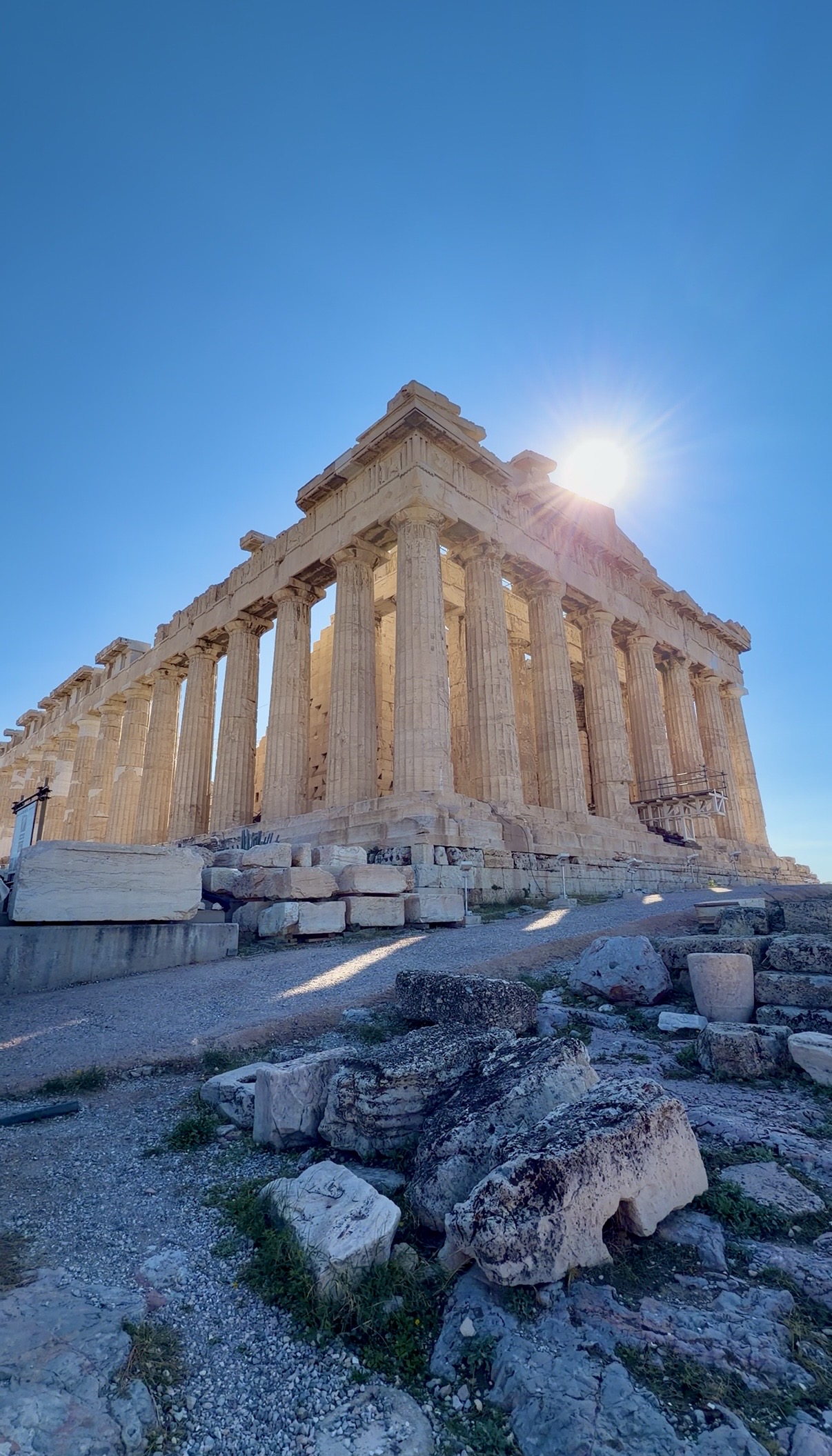
Of course, the Acropolis commands attention. Standing beneath the Parthenon and looking across modern Athens is one of those experiences that reminds you why travel photographs can never quite replace being there.
Visit the Acropolis Museum. Wander through Plaka. Explore Monastiraki. Find a rooftop overlooking the Parthenon. Browse a neighborhood market. Sit at a café and watch everyday Athens happen around you.
Athens is where Greece’s extraordinary past and its modern identity collide.
And that’s what makes it fascinating.
Athens, Greece
MAINLAND GREECE BEYOND ATHENS
Ancient Wonders, Mountain Villages & Unexpected Beauty
While Athens and the Greek islands tend to steal the spotlight, mainland Greece is filled with extraordinary destinations that deserve a little attention of their own.
Think dramatic mountain landscapes, charming stone villages, legendary archaeological sites, medieval castles and seaside towns where life unfolds at a wonderfully relaxed pace.
Here are a few mainland destinations worth discovering.
METEORA
Monasteries in the Sky
Imagine centuries-old monasteries perched atop enormous pillars of rock, seemingly suspended between heaven and earth.
That’s Meteora.
One of Greece’s most extraordinary landscapes, this UNESCO World Heritage Site combines breathtaking natural beauty with remarkable spiritual history. Six historic monasteries remain active and open to visitors at designated times.
It’s the kind of place that leaves you wondering how on earth anyone built anything up there!
Best for: Dramatic scenery • History • Spirituality • Photography
DELPHI
Where the Ancient World Sought Answers
Perched on the slopes of Mount Parnassus, overlooking a sweeping valley of olive groves, Delphi was once considered the center of the ancient Greek world.
People traveled from across the Mediterranean to consult the famous Oracle of Apollo, seeking guidance on everything from personal decisions to matters of state.
Today, its spectacular archaeological ruins and mountain setting make Delphi one of Greece’s most fascinating historic destinations.
Best for: Ancient history • Greek mythology • Archaeology • Mountain scenery
THE PELOPONNESE
Greece’s Legendary Heartland
Connected to the rest of mainland Greece by the Isthmus of Corinth, the Peloponnese is a treasure trove of ancient history, beautiful coastlines, traditional villages and spectacular landscapes.
Discover the ancient theater of Epidaurus, the legendary ruins of Mycenae, the birthplace of the Olympic Games at Olympia and the enchanting seaside town of Nafplio.
Then venture into the region’s countryside, where olive groves, vineyards, mountain villages and family-run tavernas offer an authentic taste of Greek life.
Best for: History • Road trips • Food and wine • Culture • Scenic towns
THESSALONIKI
Greece’s Cultural & Culinary Capital of the North
Greece’s second-largest city is lively, cosmopolitan and wonderfully rich in history.
Thessaloniki blends Roman, Byzantine and Ottoman influences with a vibrant contemporary atmosphere, a beautiful waterfront and an exceptional food scene.
Explore its historic churches, wander through colorful markets, discover its famous White Tower and indulge in local specialties, including bougatsa, a delicious pastry often enjoyed for breakfast.
This is a city where history and modern Greek life mingle effortlessly.
Best for: Foodies • Culture • City exploration • Byzantine history
HALKIDIKI
Three Peninsulas, Endless Beauty
Just southeast of Thessaloniki, Halkidiki stretches into the Aegean Sea in three distinctive peninsulas, often described as three fingers.
Kassandra is known for its lively coastal towns and resorts, Sithonia for its quieter coves and natural beauty, and Mount Athos for its extraordinary monastic heritage.
With turquoise waters, pine-covered landscapes, traditional villages and beautiful coastlines, Halkidiki offers an appealing alternative to the more famous Greek islands.
Best for: Coastal scenery • Relaxation • Nature • Traditional villages
ZAGORI
Stone Villages & Mountain Magic
Tucked into the Pindus Mountains of northwestern Greece, Zagori feels like discovering an entirely different country.
Picture traditional stone-built villages, arched bridges, forested mountains and the dramatic Vikos Gorge.
Recognized as a UNESCO World Heritage cultural landscape, Zagori is a wonderful destination for travelers who love hiking, architecture, nature and discovering places well beyond the usual tourist trail.
It’s proof that some of Greece’s most unforgettable views have absolutely nothing to do with the sea.
Best for: Nature • Hiking • Traditional villages • Off-the-beaten-path experiences
THE GREEK ISLANDS
Here’s where planning Greece gets interesting.
The islands aren’t interchangeable.
Some are glamorous. Some are sleepy. Some are rugged. Some are lush. Some have extraordinary beaches. Others are better known for history, hiking, food, nightlife or traditional villages.
The key isn’t collecting as many islands as possible.
It’s choosing the right combination.
SANTORINI
The Showstopper
Let’s start with the Greece you’ve seen on your screensaver.
Santorini really is spectacular.
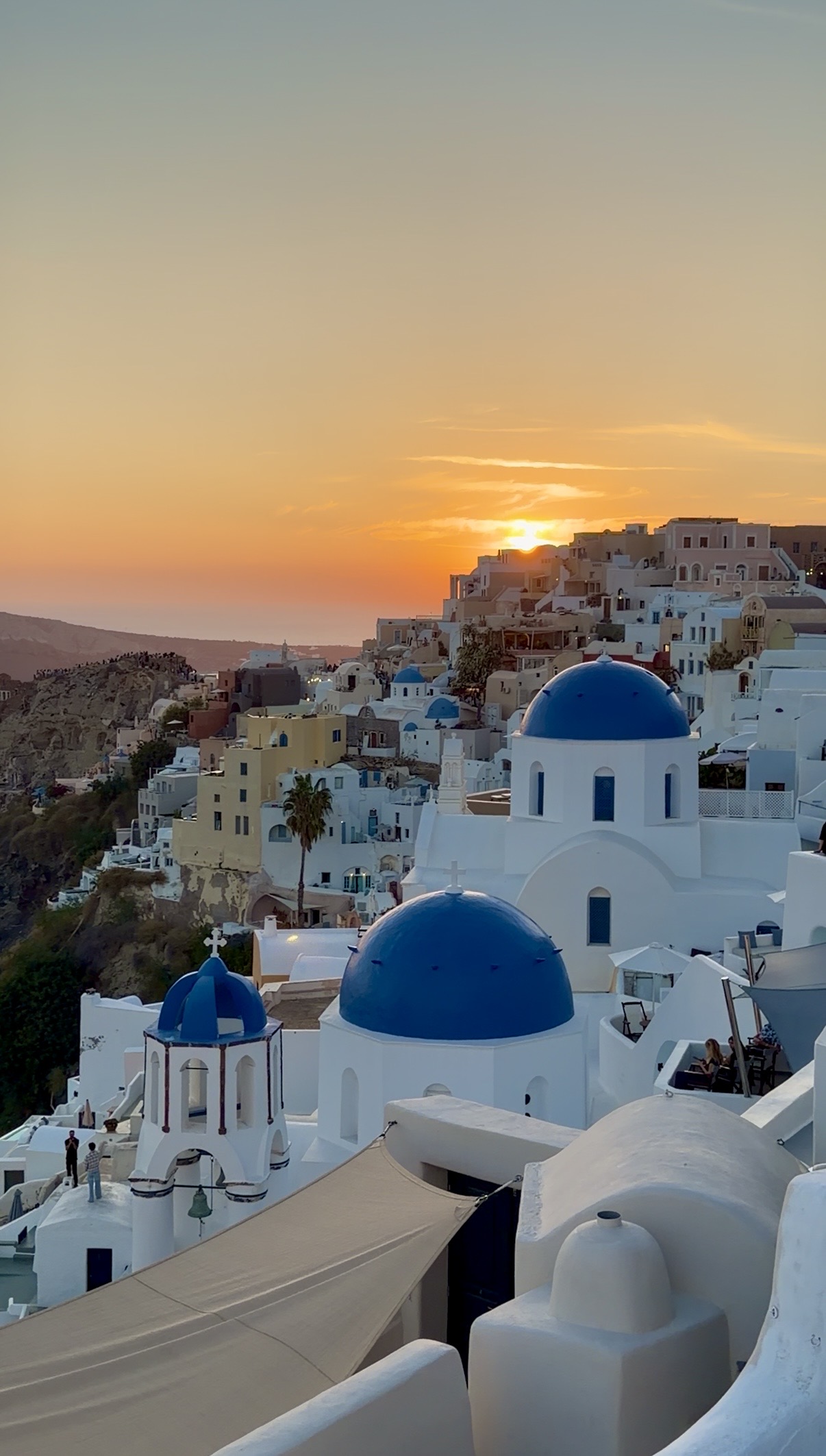
Its whitewashed villages cling to the rim of an ancient volcanic caldera high above the Aegean, creating one of the most recognizable landscapes in the world.
Oia gets most of the attention, but Santorini is worth exploring beyond its famous sunset viewpoints.
Visit traditional villages. Discover the island’s volcanic beaches. Explore the archaeological site of Akrotiri. Taste wines made from grapes grown in volcanic soil. Sail into the caldera.
And yes—find somewhere wonderful to watch the sun go down.
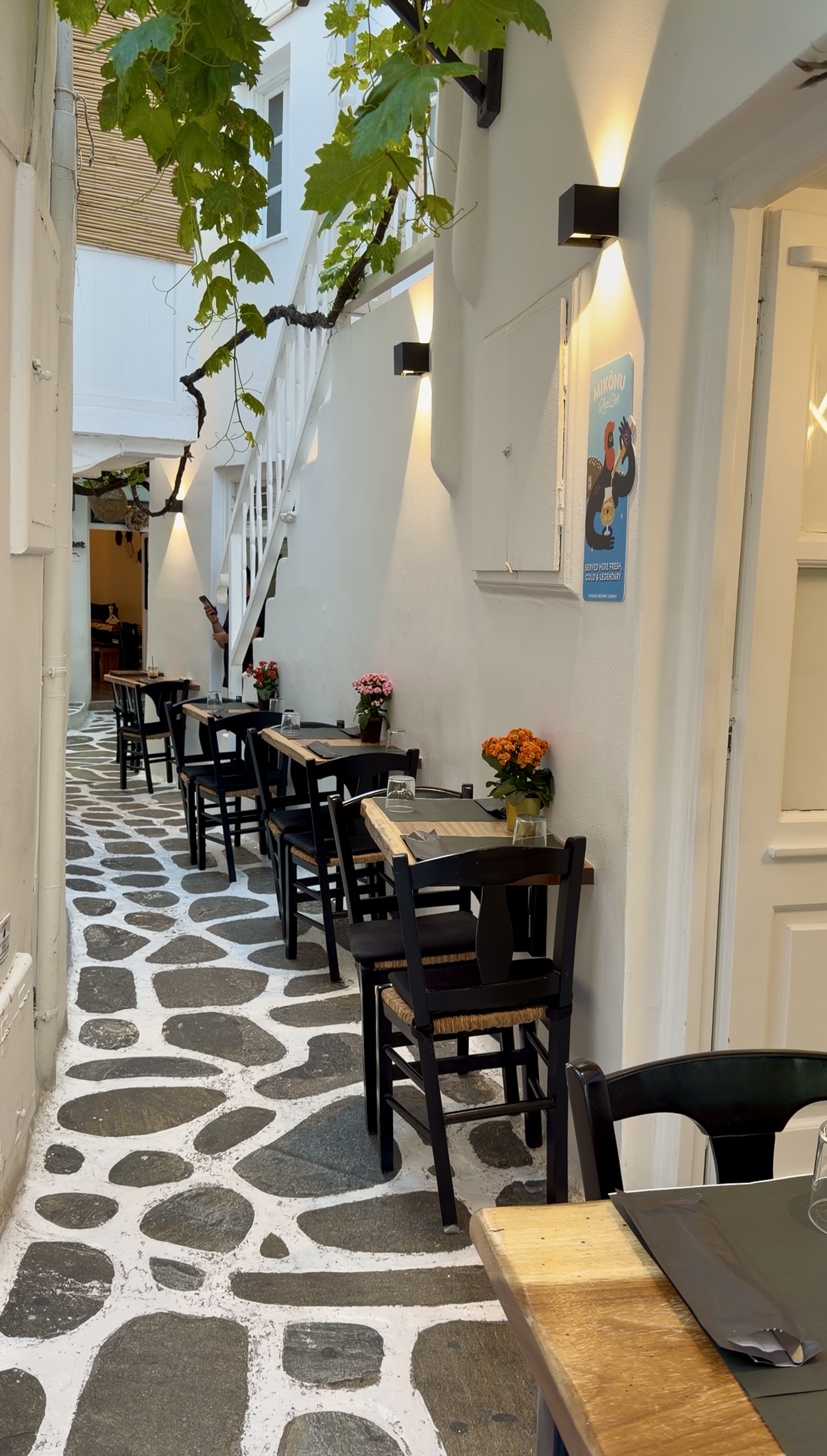
Wander through the maze-like lanes of Mykonos Town early in the morning, before everyone else wakes up. See its iconic windmills. Explore Little Venice. Find tiny churches tucked among whitewashed buildings.
And consider a trip to nearby Delos, one of Greece’s most important archaeological sites.
There’s another side to Mykonos hiding behind the glamour.
You just have to go looking for it.
Best for: Energy • Luxury • Dining • Nightlife • Beautiful towns
CRETE
Practically a Destination of Its Own
Crete is Greece’s largest island, and it deserves far more than a rushed stop.
Here you’ll find dramatic mountains, beaches, archaeological treasures, historic towns, tiny villages and one of Greece’s strongest culinary identities.
Explore Chania’s Venetian harbor. Discover the Palace of Knossos. Hike if that’s your thing. Visit family-run producers. Learn about Cretan olive oil, cheese, herbs and wine.
Crete works particularly well for travelers who want to go deeper rather than hop rapidly from island to island.
Best for: Food • History • Nature • Longer stays • Immersion
NAXOS
The Deliciously Authentic One
Naxos is the largest of the Cyclades and one of those wonderful islands that seems to offer a little of everything.
Beautiful coastline? Absolutely.
Traditional mountain villages? Yep.
Ancient history? That too.
And because Naxos is unusually fertile for a Cycladic island, food is a major part of the experience.
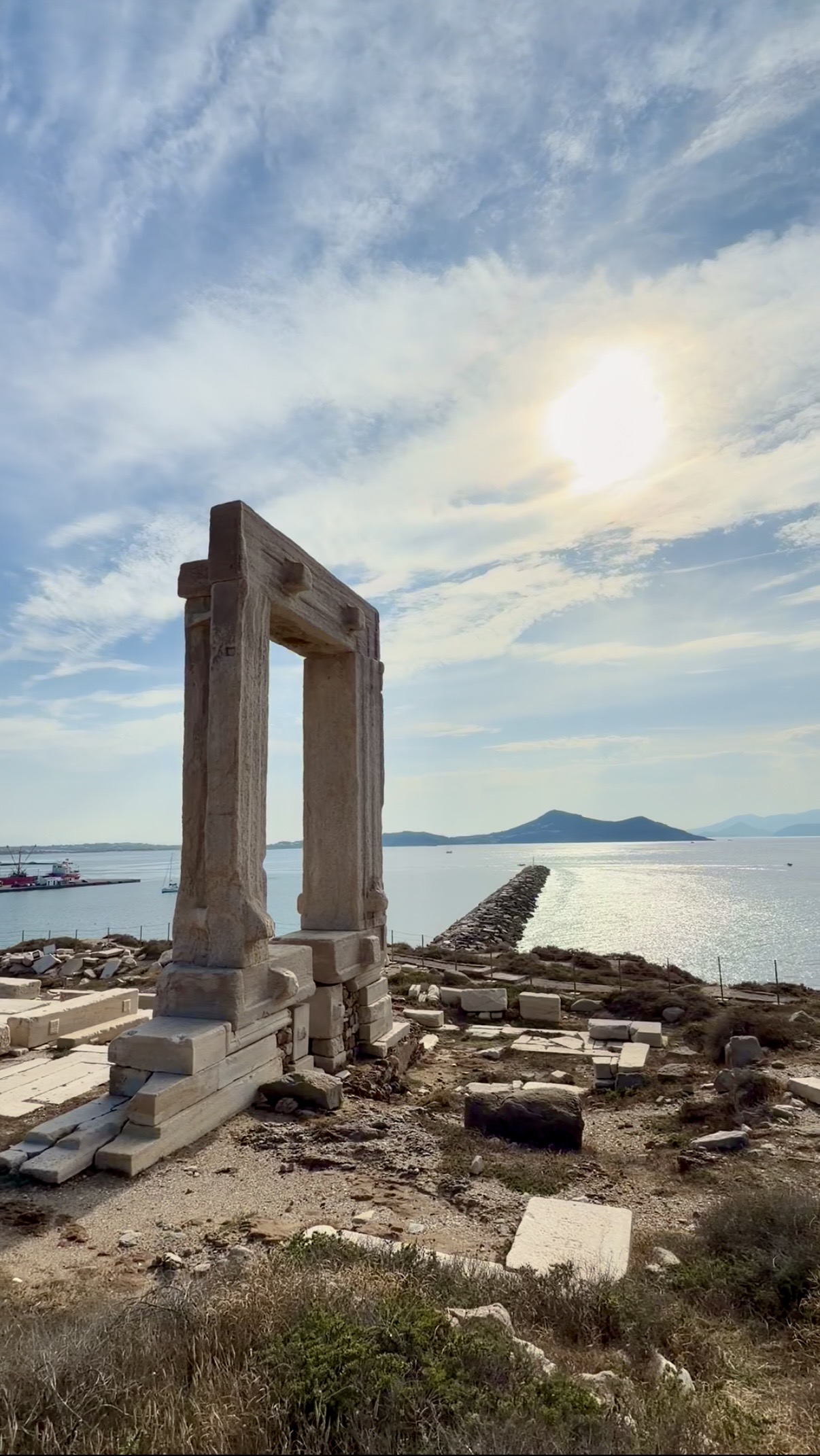
Explore inland villages. Taste local cheeses. Try the famous Naxos potatoes. Sample kitron, the island’s traditional citrus liqueur. Wander through Naxos Town and watch the sunset near the ancient Portara.
Tradition holds that Saint John wrote the Book of Revelation here, and the island’s religious heritage remains an important part of its identity.
The historic center of Chora, the Monastery of Saint John and the Cave of the Apocalypse are recognized together as a UNESCO World Heritage Site.
But even beyond its history, Patmos has an atmosphere that’s difficult to describe.
Quieter. Reflective. Beautiful without shouting about it.
It’s the sort of island that makes you want to put your phone away.
Best for: History • Spirituality • Quiet luxury • Culture • Slowing down
CORFU
A Completely Different Greece
Travel west to the Ionian Islands and Greece changes.
Corfu is greener and lusher than the Cyclades, with architecture reflecting centuries of Venetian influence.
Corfu Town’s historic center is a UNESCO World Heritage Site, filled with fortresses, narrow lanes, elegant buildings and beautiful squares.
Pair that with beaches, countryside and traditional villages and you have a Greek experience that feels dramatically different from Santorini or Mykonos.
Best for: Architecture • History • Scenery • Villages • Longer stays
DISCOVER
GREECE THROUGH ITS FOOD
If you’re going to understand Greece, you’re going to have to eat.
I know. Terrible assignment.
Greek cuisine is rooted in ingredients that don’t need much fussing with: olive oil, vegetables, herbs, grains, seafood, meats, cheeses and whatever happens to be growing nearby.
Ask what the island or region is known for. Try the local cheese. Taste the local wine. Order something you’ve never heard of. Visit an olive producer. Take a cooking class.
And please—have dinner somewhere where you can sit outside for entirely too long.
That’s practically a Greek cultural experience in itself.
Dining al fresco
PHILOXENIA
The Greek Art of Welcoming a Stranger
One of my favorite things about Greece isn’t a place at all.
It’s philoxenia.
The word is often translated as hospitality, but its roots convey something deeper: friendship toward strangers.
You may experience it as a warm welcome, a conversation that lasts longer than expected, something extra appearing on your table or a local proudly sharing something about their home.
These interactions don’t appear on sightseeing checklists.
Yet they’re often what we remember most.
That’s why I always encourage travelers to leave some breathing room in an itinerary.
You can’t schedule serendipity.
IMMERSE
DON’T JUST SEE GREECE. EXPERIENCE IT.
It’s easy to create a Greece itinerary that becomes:
Athens ✔ Santorini ✔ Mykonos ✔ Home.
But checking destinations off a list isn’t the same as experiencing them.
Instead of asking only:
“What should I see?”
Ask:
“What can I experience here that helps me understand this place?”
Take a cooking class.
Visit an olive grove.
Taste wine with someone who can tell you why it tastes different here.
Sail the coastline.
Explore an archaeological site with an expert who can make those stones tell a story.
Walk through a village without an agenda.
Visit a neighborhood market.
Sit at a family-run taverna.
Talk to people.
Watch the sun set.
And leave a little room for absolutely nothing.
Sometimes doing less allows us to experience far more.
WHEN TO VISIT GREECE
For many travelers, May, June, September and early October offer a wonderful balance.
The weather can be beautiful, destinations are active and you may avoid some of the intense heat and crowds of peak summer.
July and August deliver full Greek-summer energy, along with the highest temperatures, biggest crowds and strongest demand in many popular destinations.
Spring brings greener landscapes and wildflowers in many areas.
Fall can be wonderful for travelers who prefer a slightly slower pace.
The important thing to understand is that Greece isn’t one climate or one travel season.
Athens, mountainous mainland regions and islands scattered across different seas don’t always behave exactly the same way.
The best time to visit depends on what you want your Greece to feel like.
A FEW THINGS TO KNOW
Greece uses the euro (€).
English is widely spoken throughout major tourism areas, but learning a few Greek words is always appreciated.
Try:
Kaliméra — Good morning Kalispéra — Good evening Efcharistó — Thank you Parakaló — Please / You’re welcome Yamas! — Cheers!
Comfortable shoes are non-negotiable. Greece is filled with stone streets, steps, hills and archaeological sites that weren’t designed with cute vacation sandals in mind.
Island hopping also isn’t quite as simple as pointing at three islands on a map. Ferry routes, schedules, flight connections and geography matter enormously.
Two islands that look close together may not necessarily make sense together logistically.
This is one of those destinations where thoughtful itinerary design makes a huge difference.
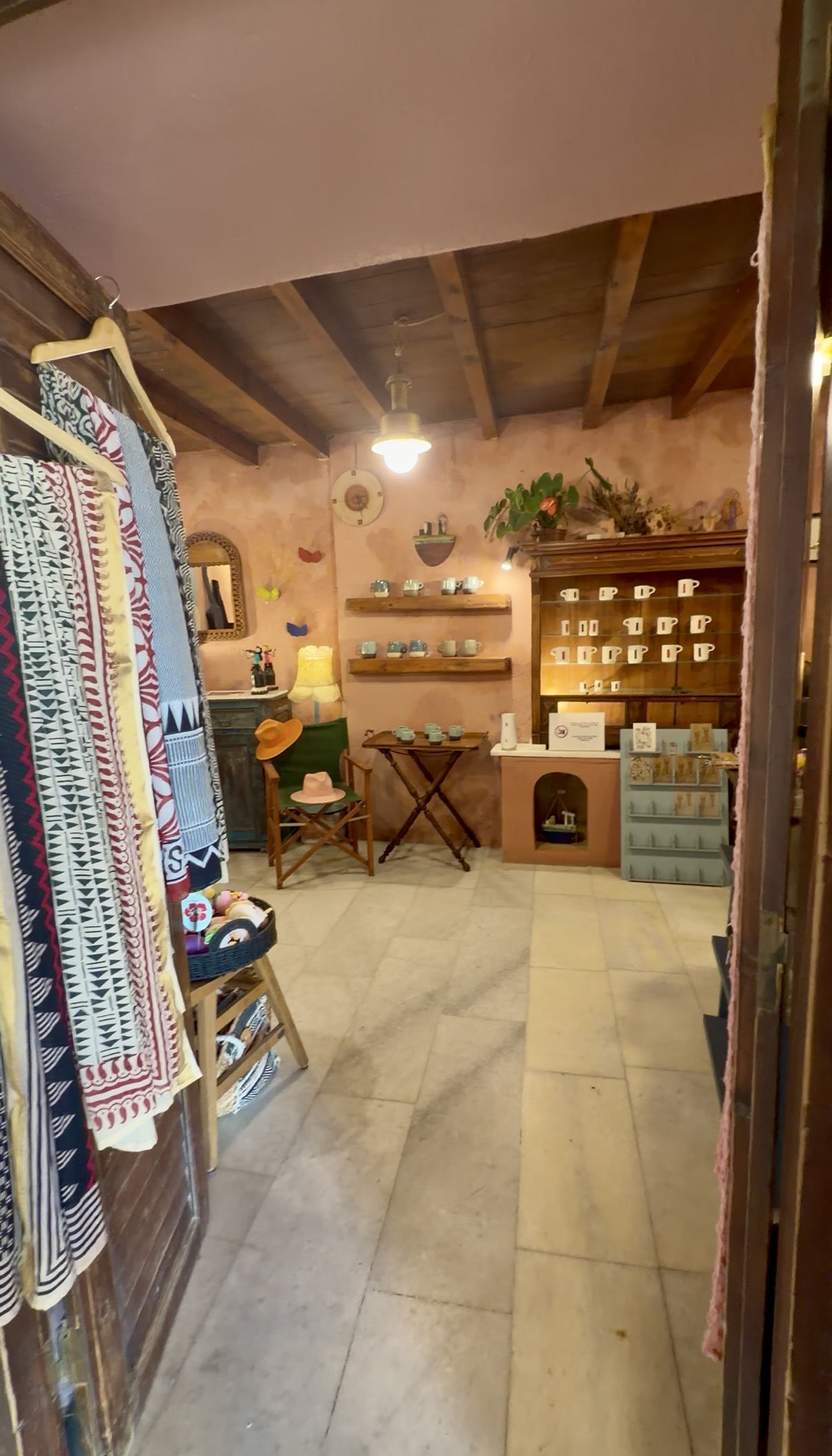
Shopping in Greece
WHAT SHOULD YOU PACK?
Think polished, comfortable and Mediterranean.
Lightweight clothing works well during warmer months, along with comfortable walking shoes, sunglasses, a hat, sunscreen and a light sweater or wrap for cooler or breezy evenings.
Bring a swimsuit even if Greece isn’t primarily a beach vacation for you.
When visiting monasteries and churches, be prepared to dress respectfully and follow posted requirements.
And leave some room in your suitcase.
Greek olive oil, wine, ceramics, jewelry and other little discoveries have a mysterious tendency to require a trip home with you.
HOW LONG DO YOU NEED?
This may be the question I wish more travelers asked.
Because Greece rewards time.
For a first trip, 10–14 days allows you to combine Athens with two or possibly three additional destinations without spending half your vacation packing, unpacking and waiting for ferries.
More isn’t always better.
I’d rather see you experience three places beautifully than race through six.
Travel isn’t a scavenger hunt.
HOW TO CHOOSE YOUR GREEK ISLANDS
Don’t begin by asking:
“Which Greek islands are the best?”
Start with:
“How do I want this trip to feel?”
Do you want glamour and nightlife? Quiet villages and local culture? Exceptional food? Beaches? Ancient history? Hiking and nature? Romance? Luxury? A little bit of everything?
Once you know that, choosing the right islands becomes much easier.
And just as importantly, the islands need to make sense together.
The best Greece itinerary isn’t necessarily the one with the most famous names.
It’s the one where the destinations, experiences and logistics work together to create the kind of trip you actually want.
GREECE, THE VACATION DESIGN TRAVEL WAY
I believe the most memorable vacations do more than take us somewhere beautiful.
They give us an opportunity to Explore. Discover. Immerse.
Explore somewhere that makes you curious.
Discover the people, food, history and traditions that give it meaning.
Immerse yourself enough to come home with more than photographs.
Greece makes that wonderfully easy.
Come for the ancient ruins and blue Aegean.
Stay for the villages, the long dinners, the conversations, the history, the people and the wonderfully Greek reminder that sometimes the best thing we can do is slow down and enjoy exactly where we are.
From ancient wonders and beautiful islands to incredible food, local traditions, and unforgettable cultural experiences, Greece has a way of capturing your heart.
At Vacation Design Travel, I create thoughtfully designed, immersive vacations that go beyond simply seeing the sights.
Whether you’re dreaming of your first Greek adventure or returning to explore somewhere new, I’d love to help you discover the Greece that’s right for you.
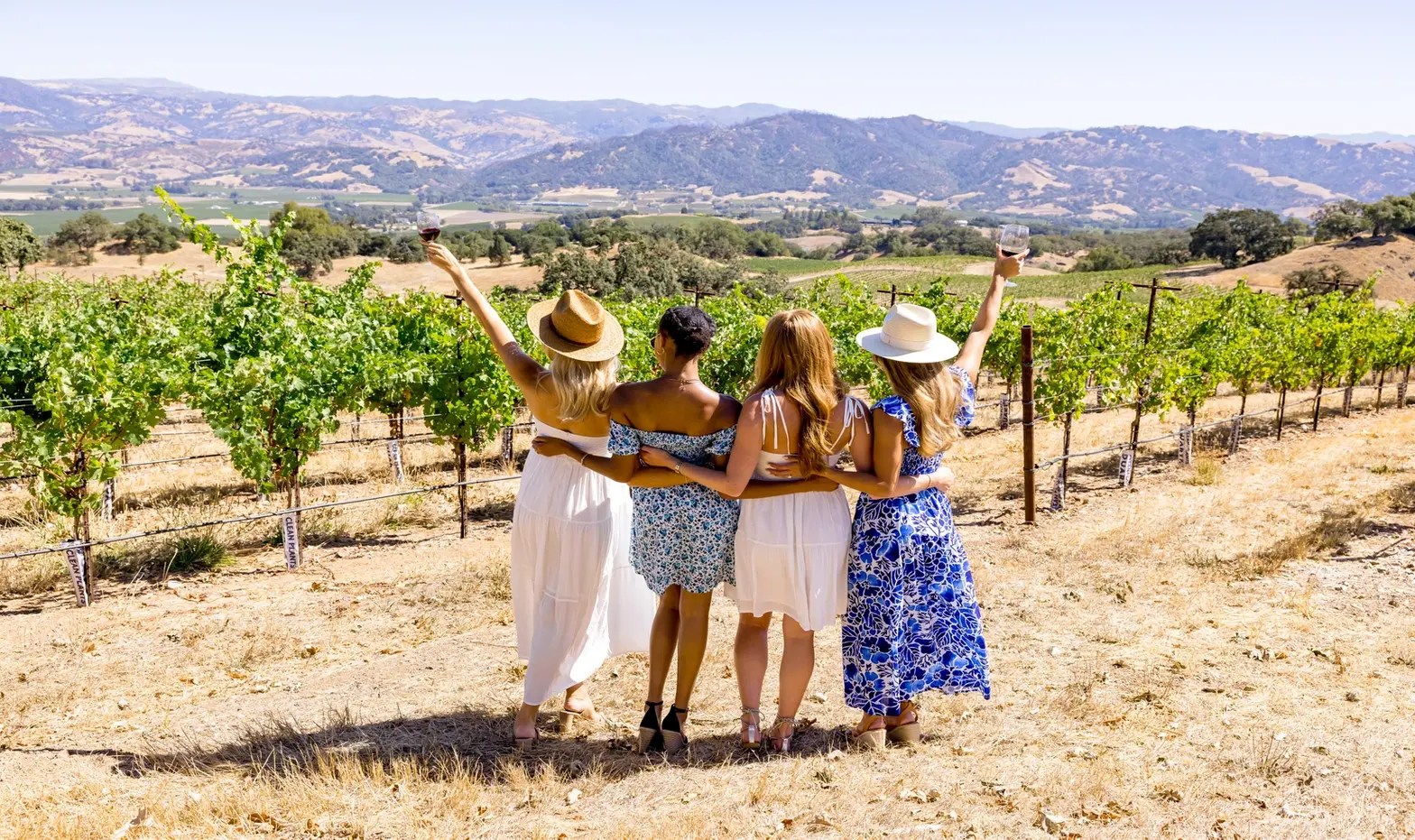
I’m also designing an exclusive, personally hosted Greece experience for a small group of adventurous, later-in-life-divorced women who are ready to rediscover their zest for life—together.
Frequently Asked Questions About Traveling to Greece
What is the best month to visit Greece?
May, June, September, and early October are often excellent choices for travelers who want pleasant weather and fewer crowds than the busiest summer months. The ideal timing depends on whether you’re prioritizing beaches, sightseeing, cultural experiences, or island hopping.
How many days should I spend in Greece?
For a first-time visit, 10–14 days is a wonderful starting point. This allows time to experience Athens and two or three additional destinations without constantly packing and unpacking.
Which Greek islands are best for first-time visitors?
Santorini and Mykonos are popular for their iconic scenery and lively atmosphere. Naxos, Paros, and Crete are also excellent options, particularly for travelers interested in traditional villages, local food, history, and authentic cultural experiences. The best choice depends on your personal travel style.
Is Greece expensive to visit?
Greece offers a wide range of experiences and price points. Costs vary significantly depending on the destinations, season, accommodations, and activities you choose. Santorini and Mykonos tend to command higher prices, especially during peak summer, while many mainland destinations and less-visited islands can offer better value.
Is it better to visit mainland Greece or the Greek islands?
Both offer incredible experiences! Mainland Greece is especially rewarding for ancient history, archaeological sites, mountain villages, and cultural exploration. The islands offer beautiful coastlines, distinctive local traditions, charming villages, and memorable seaside experiences. Combining both can create a wonderfully balanced itinerary.
Do I need a travel advisor to plan a Greece vacation?
While it’s possible to plan Greece independently, a knowledgeable travel advisor can help you choose the right destinations, coordinate ferry and flight connections, recommend accommodations, and design experiences that match your interests. This becomes especially valuable when visiting multiple islands or combining mainland Greece with island destinations.
About the Author | Jenny Mancini
Jenny Mancini, owner and founder, Vacation Design Travel
With over 30 years of experience in the travel industry, Jenny Mancini is the founder of Vacation Design Travel and a trusted expert in designing culturally immersive European vacations and luxury small-ship cruises.
Her passion goes far beyond simply visiting destinations. Jenny specializes in creating thoughtfully curated travel experiences that connect travelers with authentic cultures, fascinating histories, local traditions, and unforgettable moments.
Combining decades of industry expertise, firsthand destination knowledge, and trusted travel partnerships, Jenny takes the guesswork out of planning while helping her clients experience more of what makes each destination extraordinary.
Jenny’s philosophy is simple: Travel should do more than take you places. It should change the way you see the world.
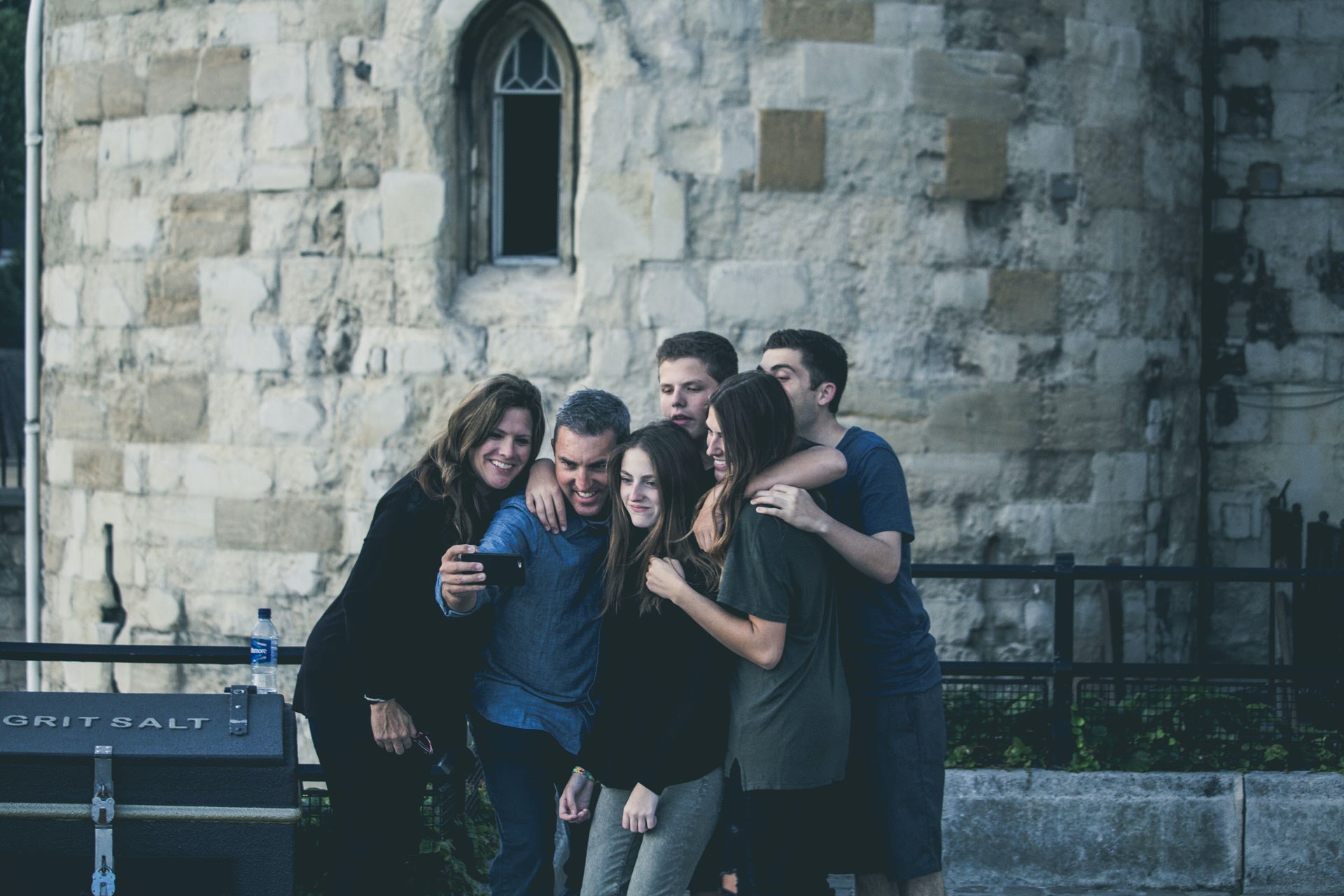
“One day…we’re going to take the kids to Hawaii!”; “We really want to travel over to Europe, but we’re waiting until the kids are older”; “We really want to go out West and see the Grand Canyon and Yellowstone, but our summers are just too busy”. Do any of those statements sound familiar to you? The average American family doesn’t think they spend enough time together (guilty). Between school, work, sports, and extracurricular activities it’s no surprise that we are all feeling disconnected and burned out. The best way to reconnect with your loved ones is to get away. No distractions and no excuses: just you and your kids (or Grandkids) spending “quality time”, enjoying each other’s company and maybe even experiencing an unfamiliar culture together. “Next Year, maybe” turns into the year after that… and so forth… until you “blink” and you’re sitting at their high school graduation wondering what the heck happened!
Travel is proven to be a wonderful learning tool for children. Seeing how people live in other countries can open their minds and hearts and expand their imagination exponentially. Here are a few things that travel can provide for your family:
1. It can create lasting relationships… both between your own family members and people you meet while on the road. These folks that you run into along the way give you a glimpse of what life is like outside your regular circle of friends and can give you a fresh perspective on how other cultures live. A client told of one dinner in Lausanne, Switzerland when a spiked-hair, and heavily tattooed Aussie spent some time joking with her daughter and playing with her kids’ meal toy. At home, she would probably have been scared to death of him!
2. You can learn another language… There is something very exciting about being able to throw around a few words in French, knowing how to say hello and thank you in Portuguese, or ordering off of a menu written totally in Italian…and hoping you don’t end up with something inedible! And… knowing that if you do accidentally order goat’s testicles, that your whole family will still be laughing about it 20 years from now!
3. It gives you and your kids perspective… Meeting folks from other cultures will teach you that the way you look at the world (maybe through the distorted lens of our mass media) is not the way everybody does – and that you could be dead wrong about some things! We have had many meaningful conversations about why Europe is so far ahead of the U.S. in its transportation infrastructure, why people of Native Hawaiian descent still protest becoming a part of the US, and why so few French and Italian teenagers feel the deep temptation to drink alcohol to excess like ours do here in America. One client was fascinated that about 80% of the locals they met in Italy said… ”AAAhhhhh, Asheville?” when he told them he was from North Carolina. Who knew?
Are you reading this and thinking “Boy…I’ve always wanted to see the Colosseum with my kids”? If you want to do it now, you’ve probably always wanted to. You’ve imagined it, daydreamed about it, envisioned it. Guess what? Now’s the time to DO IT! I have several vacations on my desk right now for folks just like you, who are ready to finally take their 16- and 21- year-olds to Europe before they leave the nest… or who are celebrating a high school graduation with a trip to Hawaii – the destination chosen by their son. Remember… you only have 18 summers!
Whether you’re going for a couple of weeks or even for months together, there are some foundational things that are critical to making travel with someone else successful. Ashlea Halpern is an editor at Traveler magazine who recently spent a year globetrotting with her boyfriend. Here are some of her best tips for making it work so you can come back from your journey stronger than ever.
Get clear on what you’re good at and what you’re not good at — and play up each other’s strengths. You might be awesome at small details, or you might be more of a big-picture kind of person. Either one is fine, of course — but be honest with yourself about where you excel. Use your gifts to help make the trip better, and let your travel partner do the same. If you hate navigating and you’re no good at it, then don’t insist on being the one to find the hotel at 11pm in a city of ten million people. Find another way to get that done. When you see yourself and your companion get more done when you balance each other out, then differences don’t have to be catastrophic.
Go ahead and step out of your comfort zone, but be clear about your boundaries. Yes, traveling is all about expanding and learning, and it’s good to try all kinds of new things. But don’t be afraid to set limits. If you absolutely do not want to go skydiving, don’t do it — but if it’s someone else’s dream, offer to be there cheering her on. If you really want to try roasted beetles, go for it! But if your friend refuses, respect that and move on. There are plenty more adventures ahead to enjoy together.
Find small certainties within the chaos. So much of travel is uncertain — you’re in a new place, surrounded by things you might not recognize, trying to navigate through language and cultural barriers. If you’re traveling long-term, you know the agony and exhaustion of flight changes, train schedules, taxi rules, late nights, early mornings. Fatigue can make you vulnerable to illness, impatience, and arguments. Take an honest look at yourself and identify one or two things you need to do every day to keep you grounded. Is it a good breakfast? A great cup of coffee? A reasonable bedtime? An afternoon walk? Time with a good book? Then, to the best of your ability, try to honor those needs, even when everything is up in the air. Compromise with your travel partner — if he’s an early riser and you’re a sleeper-inner, find a way to meet in the middle, or try to accommodate those natural tendencies. Maybe he gets up at six and reads the paper or works out while you snooze for an extra hour. These small concessions will pay huge dividends later on when the time comes where you have to make sacrifices due to schedules or other needs.
It’s okay to spend time apart. Especially if you’re an introvert, you might need alone time to stay sane. Or you might just want to spend an afternoon exploring on your own, talking to new people, doing different things. It’s okay! It’s normal to get sick of spending weeks at time in close quarters with the same person. A little pre-planned, cordial time apart might be the exact thing that helps you be at your best together.
When things get tough, stand together. It’s normal to bicker about small things. Everyone does. But when there’s something major, remember that you are a team. Hold off on blame, engage empathy, and get to work — together.
Don’t forget to be silly. Laughter has saved many a relationship. It brings us back to what matters. It helps us take ourselves less seriously. It reminds us that it’s more important to be connected than it is to be right. Recognize when your travel partner is trying to lighten the mood, and don’t be afraid to let go and be goofy together. That time when everything was going wrong, and you stopped and realized how ridiculous it all was, and you laughed so hard that you both had tears rolling down your cheeks — that will stay with you forever. Go with it.
If you’re ready to embark on the fun, crazy adventure of traveling with a new friend or a tried-and-true loved one, give me a call! I’d love to help you make it the best experience yet. You can reach me by clicking here.
Sleeping well on a plane has developed into a certain kind of art — and into a healthy business — with savvy travelers constantly scoping out new ways to make long flights more conducive to actual rest. Here are a few that really seem to have some payoff.
Splurge on a better seat. Sure, not everyone can afford a premium seat in first or business class, where you can take advantage of fully- or almost-fully-reclining seats and loads of leg room. But for long-distance flights, it can still be worth it to spend the extra money on an exit-row seat, a bulkhead seat, or a window seat. Flying on off-peak days, like a Tuesday evening, will also increase the likelihood that the flight will be less crowded and quieter.
Do the best you can with flight times and direct flights. While crossing many time zones always poses its own sleep challenges, do your best to pick a flight time and schedule that will sync up most naturally with your sleeping and waking times. Leaving in the evening will work better than trying to get REM at three in the afternoon.
Know your cues. Which side of the bed do you sleep on at home? Book on that side of the plane. Do you usually have a cup of tea before bed? Bring a few packets of your favorite herbal. And grab your own small travel blanket and comfy slippers while you’re at it (the airline pillow or blanket can be used for extra cushioning or lumbar support if you like). Spritz your pillow with a mild lavender essential oil. The more familiar things you can do, the more your brain will recognize the cues that it’s time for rest.
Sweet darkness, sweet silence. On most trans-oceanic flights, you’ll see the blue glow of nearly every seatback screen flickering, no matter the time. We know that the type of light emitted by screens is proven to disrupt sleep. For any rest at all — let alone good rest — keep your screen off. Bring an eye mask or cap to block out as much light as possible. Use earplugs or noise-cancelling headphones to create the quietest environment you can.
Buckle up over the blanket. When the plane hits turbulence, flight attendants are required to make sure people are safely buckled in. If they can’t see that your seat belt is fastened, they have to disturb you to check. Make it easy for them and for you — simply click the buckle over the blanket.
Rather than paying more for less in the airport, do some quick research before you leave to find the best travel pillow for you. There are dozens to choose from, and they range widely in price, portability, and visual quirkiness. Check out reviews like this one from Travel + Leisure— and note how the reviewer coordinates the best pillows with each type of sleeper. Chances are, there’s a pillow out there that will support your head and neck and give you the rest you need.
What are your best tips for getting good sleep on an airplane? I’d love to hear them. And if you’re ready to plan your next (well-rested) journey, I’m here to help! You can reach me today by clicking here.
My top 10 tips for avoiding the crowds on your European vacation
For those of us who love solitude, contemplation and escape, avoiding the crowds is an essential part of enjoying our travels. Of course, there’s some irony in being a traveler who complains about all the other tourists cluttering up the landscape, because of course, we’re all contributing to the crowd!
The best-known places are always going to draw lots of people, and usually with good reason. So how can we see the sights without feeling like we’re stuck in a herd of camera-toting sheep? I take great pride in carefully scheduling a great travel plan…designed to minimize crowds and time in line and maximize your enjoyment. Here are our top ten tips for avoiding the worst of the vacation crowds:
1. Hire a local guide
My very first suggestion is to hire a private guide, if your budget will allow. A guide knows when the busiest places will have lulls in the crowds, and exactly where to go to soak in a city’s ambiance without being joined by thousands of others with the same idea. I have several well-vetted private guides all over Europe that I use frequently for my clients. You will get so much more out of sights when you see them with a local guide who can make the history come to life. Your tour guide really DOES know it all!
2. Skip the line!
Did you know you could do this? A major benefit of working with a travel advisor who specializes in Europe (like yours truly) is that we often have the ability to help you skip right past a 2-hour long line-up and whisk you inside the attraction you’d rather not wait to see. Some of the most important spots with “skip the line” privileges are the Louvre and Eiffel Tower in Paris, the Vatican and Colosseum in Rome and the Accademia (to meet Michelangelo’s amazing David) in Florence.
3. Take advantage of jet lag
What does that mean? Imagine you managed to stay up until 8pm after an overnight trans-Atlantic flight. Now it’s 5am the next day and you’re wide awake. Get out of bed and go for a wander through near-empty streets as the city quietly stirs. Enjoy a coffee alongside locals on their way to work. Early morning can be a magical time to explore the streets of Europe.
4. Travel off-peak
Have you ever been to Paris in August? The locals have fled the city for their summer vacation, leaving the tourists to take it by storm. A lot of stores, cafes and restaurants are closed. Consider traveling in your destination’s shoulder season (May and September-October) – and avoid school holidays like the plague! If you are worried about taking your children out of school, get over it! A family trip to Europe will contribute so much more to their future than a “Perfect Attendance” award in 6th grade.
5. Do your research and plan museum visits accordingly
Many museums have “free” days once a month; these are always going to be busy days, and best to avoid. Some major attractions (e.g. London’s Tate Modern) stay open late one or two nights a week; visiting the gallery during these extended hours tends to offer a quieter experience.
6. Investigate “alternative” destinations
Everyone talks about the big ticket destinations – Rome, Paris, London, Prague – but there’s much magic to be found in Europe’s smaller cities. For instance, if you’re looking to experience Dutch culture, Leiden or Haarlem are beautiful and less crowded alternatives to Amsterdam. I can suggest some great alternatives to the hustle-bustle where you will get the true “feel” of the destination you are visiting.
7. Benefit from local insight
Talk to the locals to learn about what’s popular with people who live in the city, rather than what’s popular with people who visit it. A good way to incorporate this wisdom into your trip-planning is to work with an experienced travel advisor. Many of our partners actually live in the destination you are visiting and can give us some great “insider” tips.
8. Choose attractions off the beaten path
Of course you want to see the icons, and I know how to do that without the crowds. Perhaps the icons don’t interest you. Just because it’s there, doesn’t mean you have to visit it. You won’t get a failing grade for skipping the supposed “must-sees”. You can visit London without going to Buckingham Palace. You can experience Italy without snapping a photo of yourself holding up the Leaning Tower of Pisa. There’s much more to a city than its icons, so let the icons draw the crowds, while you ferret out more unique ways to spend your time.
9. Stay in locally owned smaller hotels that are centrally located
Choosing a smaller hotel in a more residential neighborhood with easy access to the places you want to visit is a nice way to escape the crowds at the end of the day. You didn’t travel all the way to Europe to stay in a Holiday Inn or Best Western, did you? Plus, the owners and staff are super helpful in suggesting some little-known jewels for dining and sightseeing.
10. Be aware of cruise ship dockings
If you’re staying in a port-city, find out when the cruise ships dock – then hightail it out of there! And if you’re one of the people debarking from the ship, see tip #1… then hightail it out of there with your private guide! Today’s megaships can dump 3000 people off in Monaco… all at the same time and all heading for the same sights.
Let me help you plan carefully!
Do you have any tips to add? I would love to see them in the comments below! Reach out to me to help you plan an amazing and unique Europe vacation. You can connect with me here.
We have come, somehow, to the end of February, and with it, the end of African-American History Month.
When he officially recognized Black History Month in 1976, President Gerald Ford declared the need to “seize the opportunity to honor the too-often neglected accomplishments of black Americans in every area of endeavor throughout our history.”
The “father of black history”, author, journalist, and historian Carter G. Woodson, fought for a national recognition of black stories and perspectives. Woodson believed deeply that equality was only possible by way of acknowledgement and understanding of a race’s history. He dedicated his life to the study of African-American historical research.
I’ve tried to take some time this month to learn more about African-American achievers I’ve been inspired by. Far from a writer, I would likely do them injustice trying to sum up their lives and accomplishments. So I’ll leave it to the pros whose stories fascinated me, linked within.
We seem to have made great strides in terms of equality, evidenced by recalling the history of the treatment and segregation of African-Americans in our nation. But for this history, you wouldn’t think any progress has been made. There is much work still to be done.
Thank you for taking the time to enjoy these heroes with me.
There are, of course, thousands of possible vacation options out there. There are plenty of great trips to choose from — and then there are trips that are great for you. Being honest about what you want and need and getting to know your own personal travel profile can save you from the but-it-looked-great-on-paper trip disappointment.
Here are a few simple considerations that can help you better understand your unique and personal travel profile:
Make a quick list of the twenty most fun memories you have of trips you’ve taken in your lifetime. Notice if there are any themes. While you don’t necessarily need (or even want) each vacation to be a carbon copy of things you’ve already done, you can use those larger themes to guide your planning of future trips. That way, if you decide to step out a little from your comfort zone, you’ll at least have a solid idea of what makes the most meaningful moments for you. Is it time with friends or family? A certain type of weather or geography? Certain activities? Quiet time? When you can build some of these elements into your travel, you’re more likely to come home energized and restored.
What do you like to do to relax, unwind, have fun, or re-energize when you’re not on vacation? Do you like to be still or active? Quiet or surrounded by crowds? Scheduled or free-form and spontaneous? Simplicity or luxury? Inside or outside? These might seem like silly questions — but you’d be surprised how often people book vacations that are filled with activities or set at a pace that they otherwise don’t really enjoy. It’s possible that you’ll love a week of biking in Tuscany even though you’d never go cycling at home — but more likely you’ll be tired, saddle-sore, and wishing for a car. That’s not to say you shouldn’t try new activities every now and then; there’s plenty of room for new adventures on trips. Just make sure that you incorporate new activities in small bites — say, an afternoon bike tour with plenty of stops — to see if it’s something you’d genuinely like more of.
What is the purpose of your trip? What do you want to take away? Part of what makes travel so amazing is its capacity to broaden and deepen our cultural, relational, and emotional horizons. Are you looking to create tons of new memories with your kids? Are you hunting for the perfect gift(s)? Maybe you’d like to immerse yourself in a new culture and language, or do a service-oriented trip that allows you to give to others while you’re getting an invaluable adventure. Plan your trip around the kind of experience and emotional takeaway you’re looking for.
Do you prefer to be in control, or are you happier when someone else is at the helm? This can be a huge factor in overall enjoyment of a trip. Sometimes people think they’d love to be in charge of everything — but when faced with the reality of hundreds of details that need taking care of before, during, and even after a trip, the fun gets sapped right out of the vacation. When you work with me, you can create the best balance of autonomy and assistance in order to maximize the fun, adventure, and relaxation on your trip.
When you take a little time to get to know how you travel best, your vacation can be more than just fun; it can actually be fulfilling. And you can come home refreshed, energized, and brimming with great new memories.
Are you ready to start planning an incredible experience for yourself, you and your partner, or your whole family? Contact me today and let me help you get there! Just click here.
You know them when you meet them: those people who always keep their passport on hand, who can pack for an international trip in about twenty minutes flat, who’ve almost never met a travel idea they didn’t like, who would rather take three international trips a year than own a car. They never get tired of exploring.
Scientists might have discovered why some people tend towards wanderlust and others don’t.
One gene in particular, simply known as DRD4, is associated with dopamine levels in the brain. Dopamine is one of the brain’s natural “feel good” reward chemicals. For example, it’s released when we eat a delicious piece of chocolate cake or when we win at a race after training for months.
A derivative of DRD4, called DRD4-7R, is what’s come to be known as the “wanderlust gene.” In people who have it — only about 20 percent of the population — it shows up with an increased curiosity, restlessness, and desire to explore. And the one thing that almost all people who have DRD4-7R share in common? A history of traveling.
While nailing down the urge to explore and travel to only one piece of DNA might seem a bit simplistic, part of this unique gene mutation might be linked to the fact that the human brain and body are uniquely suited for exploration: unlike other primates, we have legs and hips that are designed to walk long distances; we have hands that can perform incredibly detailed tasks; and our brains are large and are naturally wired for creativity and change. Another source of the 7R gene might be those people groups in human history that experienced mass migration over long distances — they cultivated and passed on a relentless curiosity about new territory because that was what they were doing for generations.
Dr Richard Paul Ebstein, Professor of Psychology at the National University of Singapore, explored the question of the “travel gene” more in depth in this recent article. Regardless of its origin, Ebstein notes that people who possess the 7R mutation are people who exhibit “novelty seeking or extroverted behavior”.
Sound like anyone you know?
If you’re longing for your next great adventure, let’s talk travel! You can get in contact with me today by clicking here.
Four types of spiritual vacations — which one is right for you?
Researchers speculate that the surge in spiritual tourism involves several factors, ranging from our skewed work-life balance to the current global popularity of Pope Francis. Bestselling books like Eat, Pray, Love and Wild can make spiritual tourism seem like a relatively new phenomenon, but as author Lori Erickson points out, “People have been making treks to holy sites for millennia — in fact, these types of locations are probably the oldest form of tourism.”
The stereotype of the seeker-traveler is the unencumbered college student who’s trying to “find himself.” But people of all ages and all walks of life seek meaningful experiences for many reasons: a longing to reconnect to the Big Questions in life, as a response to dramatic life changes (grief, loss, milestone celebrations, overcoming adversity), or simply out of genuine curiosity and devotion. Whatever the varied motivations, over 300 million people will visit the major religious sites each year (this year being an exception), and a quarter of all Americans say they’d like to plan a faith-centered trip. Even if you don’t consider yourself a religious person, there are many ways to approach this type of travel, depending on what you’re interested in. Here are four ways to consider planning your spirit-nourishing trip.
1. Person-centered journeys. While this type of trip might be more common for people who practice a specific religion, it can also be centered around people you’ve deeply admired, are curious about, or who’ve had a profound impact on your life. It’s a wonderful way to connect with the history and cultural context of people in religious history, and to connect with the real stories of spiritual figures. Examples: Visiting places of significance to Jesus, the Buddha, Rumi, Mother Theresa, or St. Francis. Or picking a theme, like your favorite women in religious history, or the hometowns of your favorite saints. Where: The Holy Land, Montenegro, India, Turkey, Italy and more.
2. Location-centered journeys. There are certain places that in and of themselves are thought to be spiritual. This can be connected to their histories — specific events such as Oberammergau’s nearly four-centuries-old Passion Play, certain people or groups of people that lived there — but it also can be the surrounding landscape or the breathtaking architecture in that location. Sometimes places are considered spiritually “charged” because of the presence of certain magnetic or energetic fields in the area (this is common in deserts). Examples: a holy temple, synagogue, mosque, or chapel; energetic vortexes in deserts; mountaintop monasteries. Where: Rishikesh, India; Sedona, AZ; Angkor Wat, Cambodia; Mt. Shasta, CA; The Blue Mosque, Istanbul, Turkey; Uluru-Kata Tjuta National Park (Ayers Rock), Australia; Rio de Janeiro, Brazil.
3. Activity-centered journeys. Maybe you’ve been practicing yoga for several years and want to learn more in an intensive course. Maybe you’re looking to deepen your meditative practice. Maybe you’re searching for ways to give back, to have your travel also be an act of service to others. There are many places that offer a wide variety of ways to nourish your spirit by engaging in activities that are meaningful to you and to others. You can even be a monk for a month — a cultural and spiritual immersion program in Nepal, Cambodia, or India — if that’s something you’re interested in trying. Examples: Yoga intensives; silent retreats; voluntourism with a reputable organization; writing, art, or music retreats. Where: yoga centers around the globe; Taize in Burgundy, France; Nepal; Thailand; Cambodia; South Korea; India; meditation centers in the US and globally; anywhere where trusted organizations operate and organize volunteer opportunities.
4. The-journey-is-the-destination journeys. The poet Gary Snyder said, “Walking is the great adventure, the first meditation, a practice of heartiness and soul primary to humankind.” Perhaps there’s no better evidence for this than the ancient tradition of taking a walking pilgrimage. Sometimes silent and often lasting for days or even weeks, these journeys provide the unique opportunity to still the mind and spirit, to be in nature, to take a much-needed break from screen time, to challenge the body, and to experience the warm hospitality of strangers along the way. For the devout and non-religious alike, pilgrimages often prove to be powerfully transformative undertakings. Where: El Camino de Santiago, Spain; Char Dham, India; Kumano Ancient Trail, Japan; Machu Pichu, Peru.
Given the frenetic and frantic pace of modern life — and how easy it is to feel disconnected from the things that matter most to us — a vacation that is truly a retreat might be the exact thing you need right now. If you’re feeling the urge to reconnect with a part of yourself that’s essential and meaningful, but that sometimes gets lost in the busyness of daily living, I’d love to help design your spirit-centered journey. Contact me today!