
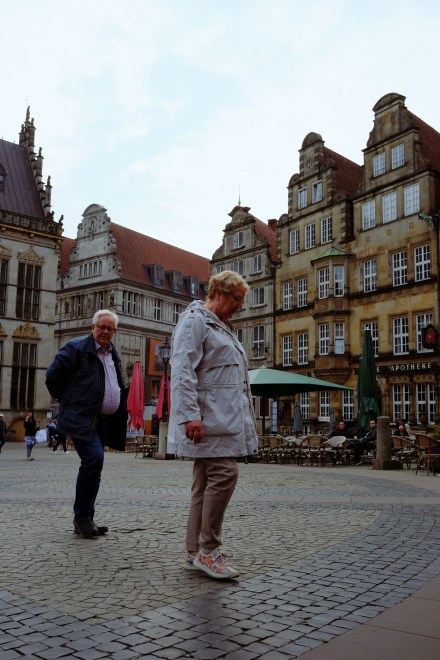
We all know that wonderful feeling of returning home from an incredible vacation: refreshed, energized, and full of stories. But what if exploring new places also supported our brains as we age? Research suggests that many activities we enjoy while traveling—learning, walking, socializing, and navigating unfamiliar environments—are associated with healthier cognitive aging.
Travel gives your brain a workout
Exploring unfamiliar streets, learning history, interpreting signs, and trying new languages stimulate curiosity and mental engagement. Scientists study cognitive reserve, the brain’s ability to adapt to age-related changes. Travel itself has not been proven to prevent Alzheimer’s disease.
Travel and dementia risk
A 2023 observational study associated tourism with lower cognitive impairment among older Chinese adults. The 2024 Lancet Commission identified 14 potentially modifiable dementia risk factors, including physical inactivity and social isolation, estimating that addressing them could prevent or delay nearly 45% of dementia cases. These findings do not establish that vacations directly prevent dementia.
Travel gets us moving
Walking through European villages, visiting markets, exploring archaeological sites, and cycling through countryside can make exercise feel like adventure. Physical activity benefits cardiovascular and cognitive health, even when you explore at a comfortable pace.
Travel strengthens social connections
Shared meals, conversations with locals, and friendships with fellow travelers can create lasting belonging. Social isolation is associated with dementia risk. Small-group travel offers meaningful connections while leaving room for independence.
Travel supports emotional well-being
A change of scenery, thoughtful downtime, laughter, and new perspectives can help us feel refreshed. Travel can be stressful too, which is why a comfortable pace and good planning matter.
Travel encourages lifelong learning
Learning about a Greek family recipe, a Roman ruin, or a traditional craft keeps us curious. Meaningful travel invites us to engage with cultures rather than simply check off attractions.
Travel restores confidence and purpose
Whether navigating retirement, an empty nest, or a major life transition, travel can remind us that there is still so much to experience. Trying something unfamiliar can renew our sense of possibility.
Travel meaningfully
You do not need to visit dozens of countries or pack every minute. Explore new cultures, discover new people and interests, and immerse yourself in the destination. Ask questions, walk when able, and take time to connect.
The best time to keep exploring
Travel is not a cure or proven prevention for dementia or Alzheimer’s disease. But it can encourage movement, learning, connection, and engagement with life. At Vacation Design Travel, I believe meaningful journeys help us return home with new perspectives and lasting connections. Ready for an enriching adventure? I would love to help design it.
Research and further reading
The Lancet Commission on dementia prevention (2024): https://pubmed.ncbi.nlm.nih.gov/39096926/ ; Tourism and cognitive impairment (2023): https://pubmed.ncbi.nlm.nih.gov/37942247/ ; Active travel and dementia (2025): https://pubmed.ncbi.nlm.nih.gov/40489111/ ; Social participation and dementia risk (2023): https://www.nature.com/articles/s43587-023-00387-0
Health note: This article is for general education, not medical advice. Discuss personal concerns with a qualified healthcare professional.

